
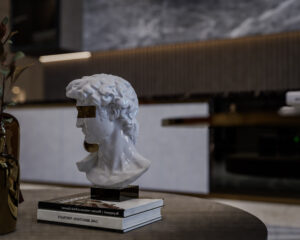
Luxury interior design is more than just beautiful furniture and expensive materials—it’s about creating an environment that enhances well-being, influences emotions, and complements your lifestyle. The right interior choices can evoke a sense of calm, boost productivity, and elevate the overall experience of a space.
At SARA PROJECTS, we believe that every luxury home should be designed with purpose and intention. In this blog, we explore the psychology behind luxury interior design, how different elements affect emotions, and how to craft spaces that enhance daily living.
1. The Power of Interior Spaces on Emotions
Every design element—from colors and lighting to textures and layouts—plays a role in how a space makes you feel. Luxury interior design isn’t just about opulence; it’s about curating a sensory experience that reflects comfort, exclusivity, and refinement.
 Warm, soft tones = Relaxation & Comfort
Bold, deep hues = Power & Sophistication
Natural elements = Serenity & Wellness
Open, airy layouts = Freedom & Creativity
Plush textures = Luxury & Indulgence
By understanding how design elements affect the subconscious, we can create luxury spaces that truly feel like home.
2. How Colors Influence Mood in Luxury Interiors
Color psychology plays a major role in setting the mood of a space. Luxury homes often use a harmonious mix of timeless neutrals, deep jewel tones, and metallic accents to create a sophisticated ambiance.
A. Timeless Colors for Luxury Interiors
Neutral Tones (Beige, Taupe, Cream) → Creates a calm and timeless look.
Deep Blues & Greens → Symbolizes wealth, wisdom, and relaxation.
Rich Burgundy & Deep Plum → Evokes luxury, power, and exclusivity.
Black & Gold Accents → Adds drama, elegance, and sophistication.
B. How to Use Colors Strategically
Use light colors in bedrooms for a tranquil, spa-like feel.
Incorporate deep jewel tones in living areas to create a cozy yet powerful atmosphere.
Add gold, brass, or silver accents in furniture and décor for a high-end finish.
3. The Role of Lighting in Luxury Interiors
Lighting can completely transform a space and has a direct impact on mood, productivity, and relaxation. High-end interior design focuses on layered lighting to create different moods throughout the day.
A. Types of Lighting for a Luxury Home
Ambient Lighting – General lighting that creates an overall atmosphere. Example: Recessed LED lighting.
Accent Lighting – Highlights architectural details and artwork. Example: Cove lighting, wall sconces.
Task Lighting – Enhances functionality in specific areas. Example: Pendant lights over a kitchen island.
B. How Lighting Affects Mood
Soft, warm lighting creates a cozy, intimate atmosphere.
Bright, cool lighting increases focus and alertness.
Dimmable lighting allows for mood adjustments depending on the time of day.
Luxury Tip: Installing smart lighting systems allows homeowners to adjust brightness and color temperature to match their mood or occasion.
4. The Psychology of Textures & Materials in Luxury Interiors
Luxury interiors should not only look elegant but also feel indulgent. The right mix of textures adds depth, warmth, and a sensory experience that enhances a home’s atmosphere.
A. Best Textures for a Luxury Feel
Velvet & Silk → Adds softness and opulence to upholstery and curtains.
Marble & Onyx → Creates a timeless, grand statement in flooring and countertops.
Wood & Leather → Adds richness and warmth to furniture and walls.
Handwoven Rugs & Wool Throws → Enhances comfort and coziness in living spaces.
B. Balancing Textures for a Harmonized Look
Pair matte and glossy finishes for contrast. Example: Matte black cabinetry with polished gold handles.
Use layered textures to add depth. Example: Silk cushions on a velvet sofa.
Incorporate natural elements for warmth. Example: Wood-paneled walls in a marble-finished bathroom.
5. Spatial Layout & Its Impact on Lifestyle
Luxury is also about functionality and ease of movement. A poorly designed space, no matter how beautiful, can create stress and discomfort.
Open layouts promote social interaction and a sense of freedom.
Defined zones ensure that each space serves a purposeful function.
Minimal clutter leads to a calm and serene environment.
Biophilic design (adding natural elements) improves well-being and relaxation.
Luxury Tip: Incorporating bespoke furniture and built-in storage solutions ensures a seamless, clutter-free design.
6. Wellness-Focused Design: The Future of Luxury Interiors
More high-net-worth individuals are looking for homes that prioritize wellness. Luxury interior design is shifting toward holistic spaces that promote physical, mental, and emotional well-being.
A. Key Elements of Wellness-Focused Luxury Design
Spa-Inspired Bathrooms → Rain showers, freestanding tubs, heated flooring.
Mindful Living Areas → Reading nooks, meditation corners, soft lighting.
Home Automation for Comfort → Smart climate control, air purification, and soundproofing.
Natural Elements & Biophilia → Indoor gardens, large windows, and water features.
B. Creating a Luxury Retreat at Home
Use natural scents like lavender and sandalwood for a calming ambiance.
Incorporate soothing sounds with smart speakers and indoor fountains.
Design a dedicated wellness room for yoga, meditation, or relaxation.
Conclusion
A truly luxurious home isn’t just about aesthetics, it’s about creating an emotional connection with the space. By understanding the psychology of colors, lighting, textures, and layouts, you can design an environment that enhances mood, well-being, and lifestyle.
At SARA PROJECTS, we specialize in high-end, psychology-driven interior design that transforms homes into elegant, personalized sanctuaries. Contact us today for a consultation and let’s create a space that feels as luxurious as it looks!